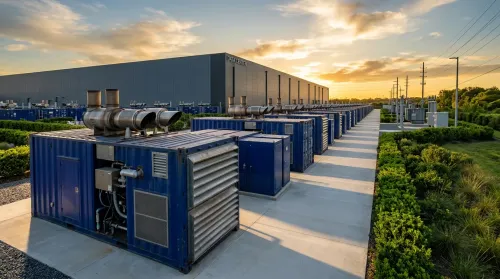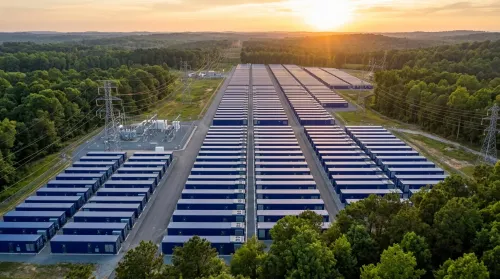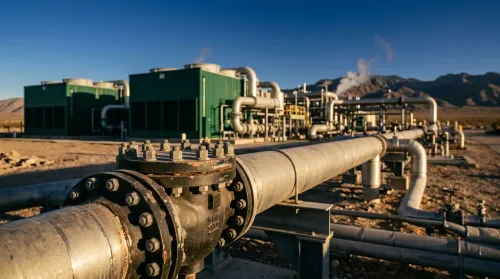
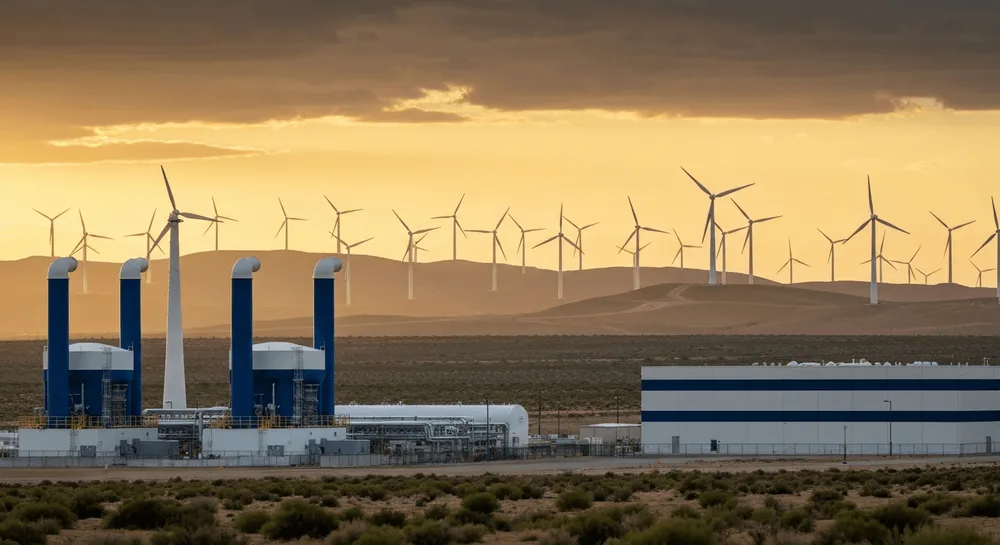
A decisive shift is underway in the Texas power market, providing a clear signal for grid planners and asset developers nationwide. For the first time in a decade, planned natural gas capacity has surpassed wind generation in the ERCOT interconnection queue. This reversal is directly attributable to the explosive growth of data center load, a trend confirmed by new U.S. Energy Information Administration (EIA) data showing soaring commercial electricity sales in states like Virginia. Data center operators require firm, 24/7 power at a scale and speed that current renewable and storage pipelines struggle to meet, forcing a return to thermal generation to ensure reliability.
The demand is so acute that it is creating new supply chain pressures. Gas turbine order books are tightening, prompting some developers to consider alternative technologies like standardized boiler-and-steam packages to meet aggressive construction timelines. This dynamic is forcing a re-evaluation of the generation mix in multiple ISOs, moving beyond theoretical load forecasts to tangible changes in procurement strategy. The phenomenon of "phantom data centers"—speculative queue positions secured by developers without firm offtake agreements—is further stressing planning processes by injecting significant uncertainty into long-term capacity models.
Regulators are now responding to this new reality. In Oregon, the Public Utilities Commission has approved proposals allowing utilities to charge data centers directly for the necessary grid infrastructure upgrades. This represents a significant policy evolution, allocating the immense costs of serving this new load directly to its source rather than socializing them across the entire ratepayer base. This approach could become a model for other states facing similar industrial load growth, as documented in the EIA's Short-Term Energy Outlook.
The rapid build-out also comes with significant friction. In Mississippi, xAI's expansion of its data center's gas turbine fleet without proper permits has drawn a lawsuit from the NAACP, which the Department of Justice is now considering joining. This case is an early example of the environmental justice and permitting battles accompanying this thermal resurgence. As developers race to power the AI boom, they are colliding with local communities and regulatory frameworks unprepared for the speed and scale of the new demand.
This Week's Top 5 Energy News Items
- Gas power leapfrogs wind for first time in 10 years in Texas’ grid connection queue
- Phantom Data Centers Didn’t Break the Power Grid—They Proved It Was Already Broken
- Should data centers pay for grid upgrades? Oregon regulators think so
- The world is installing grid batteries at a blistering pace
- As turbine queues tighten, Babcock & Wilcox sees opening for boiler-steam packages in data center power race
For deeper technoeconomic analysis on this trend, try CogenS free.