
ERCOT Interconnection Queue: A 10-Year Reversal
2016-2025
Q2 2026
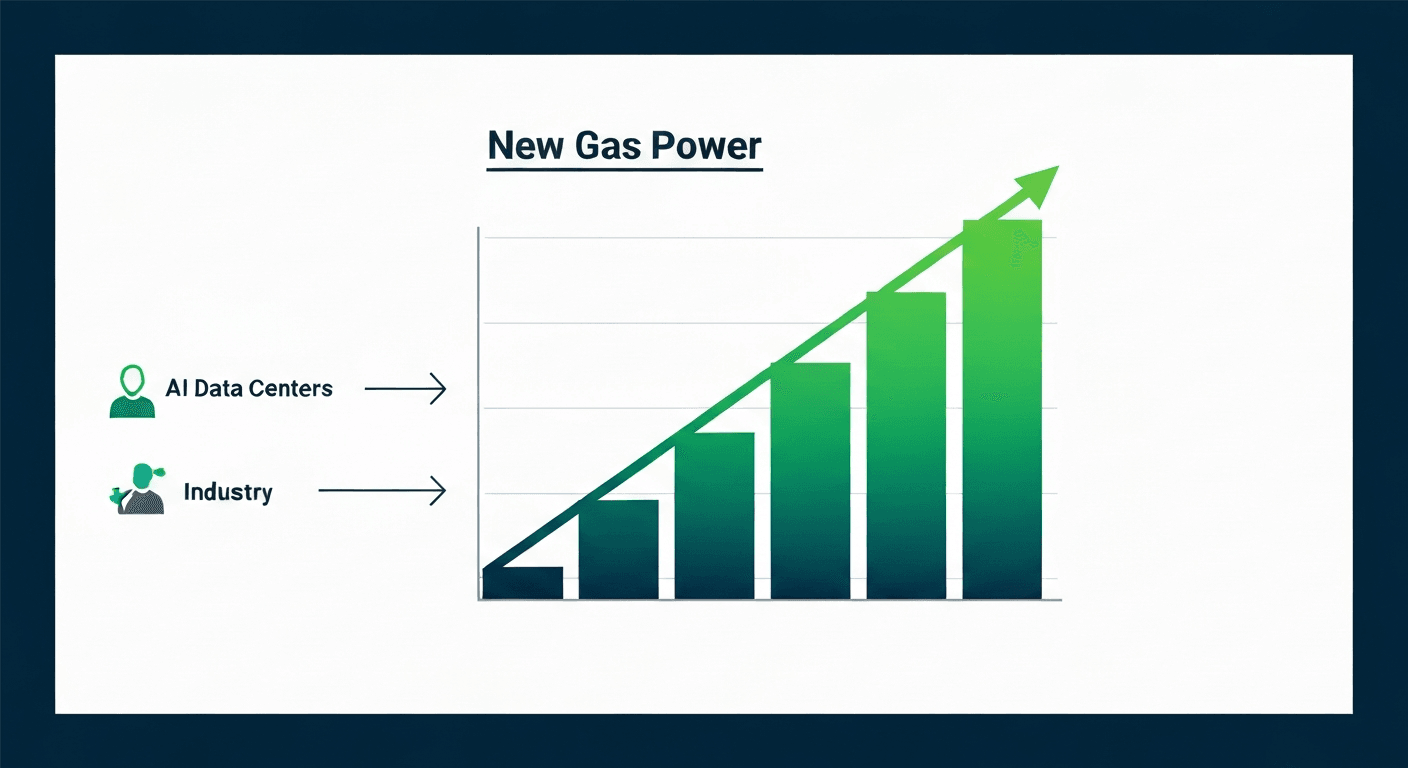
For the first time since 2016, natural gas projects represent a larger share of the Texas grid connection queue than wind power, driven by data center demand and policy.
The ERCOT interconnection queue has experienced a landmark reversal, with proposed natural gas-fired generation capacity leapfrogging wind power for the first time in a decade. The development signals a profound realignment in generation strategy, directly fueled by the twin drivers of explosive data center demand and supportive state policy, notably the Texas Energy Fund. As hyperscale computing and AI loads materialize, they are reshaping not only demand forecasts but the fundamental economics and physical requirements of the generation mix needed to serve them reliably.
This pivot is not an isolated event confined to Texas. In the Midwest, Evergy has dramatically increased its planned gas-fired generation to 4.7 GW while slashing its long-term renewable energy plans by over 90%, explicitly citing data center growth as the cause. This mirrors data from the U.S. Energy Information Administration (EIA), which shows commercial electricity sales in Virginia soaring due to its concentration of data centers. The trend demonstrates a pattern where utilities, faced with multi-gigawatt load additions, are turning to dispatchable thermal generation to ensure reliability and meet aggressive construction timelines that outpace renewable development cycles.
The operational characteristics of these new loads are forcing grid planners to re-evaluate resource adequacy. The high-load-factor, near-constant demand of data centers differs sharply from traditional load profiles. This has prompted a Level 3 Essential Action Alert from the North American Electric Reliability Corporation (NERC), urging grid operators to address the “immediate risks” posed by these large new loads. The alert underscores the technical challenges and the speed at which this demand is arriving on a grid already grappling with the intermittency of renewable resources. According to NERC's long-term assessments, these trends are accelerating grid reliability challenges across multiple regions.
While some utilities are aggressively building to meet the demand, others are raising alarms about the system-wide consequences. Eversource Energy CEO Joe Nolan articulated a starkly different view, stating, “We are resisting data centers,” because they are of “no value to our residential customer” and will only “drive up the price of energy.” This highlights an emerging tension across the industry: the economic development promise of data centers is colliding with the mandate to maintain affordable, reliable power for all customers. The decisions made in response to this demand surge will define capital allocation and infrastructure priorities for the next decade.
This Week's Top 5 Energy News Items
- Gas power leapfrogs wind for first time in 10 years in Texas’ grid connection queue
- 250+ onshore wind projects stalled as Pentagon freezes permitting
- NERC issues Level 3 Alert to address ‘immediate risks’ data center loads pose to the grid
- Evergy expects retail sales to rise up to 8% annually on data center growth, slashes renewables plan
- Eversource CEO: ‘We are resisting data centers’
For deeper technoeconomic analysis on this trend, try CogenS free.