Grid Under Strain
The Reliability Mandate: A System Under Pressure
DOE Emergency Orders since May 2025 to keep power plants online.
Record-Breaking Power Demand from AI & Data Centers.
Solutions Deployed: BESS, Advanced Nuclear & Grid Modernization.
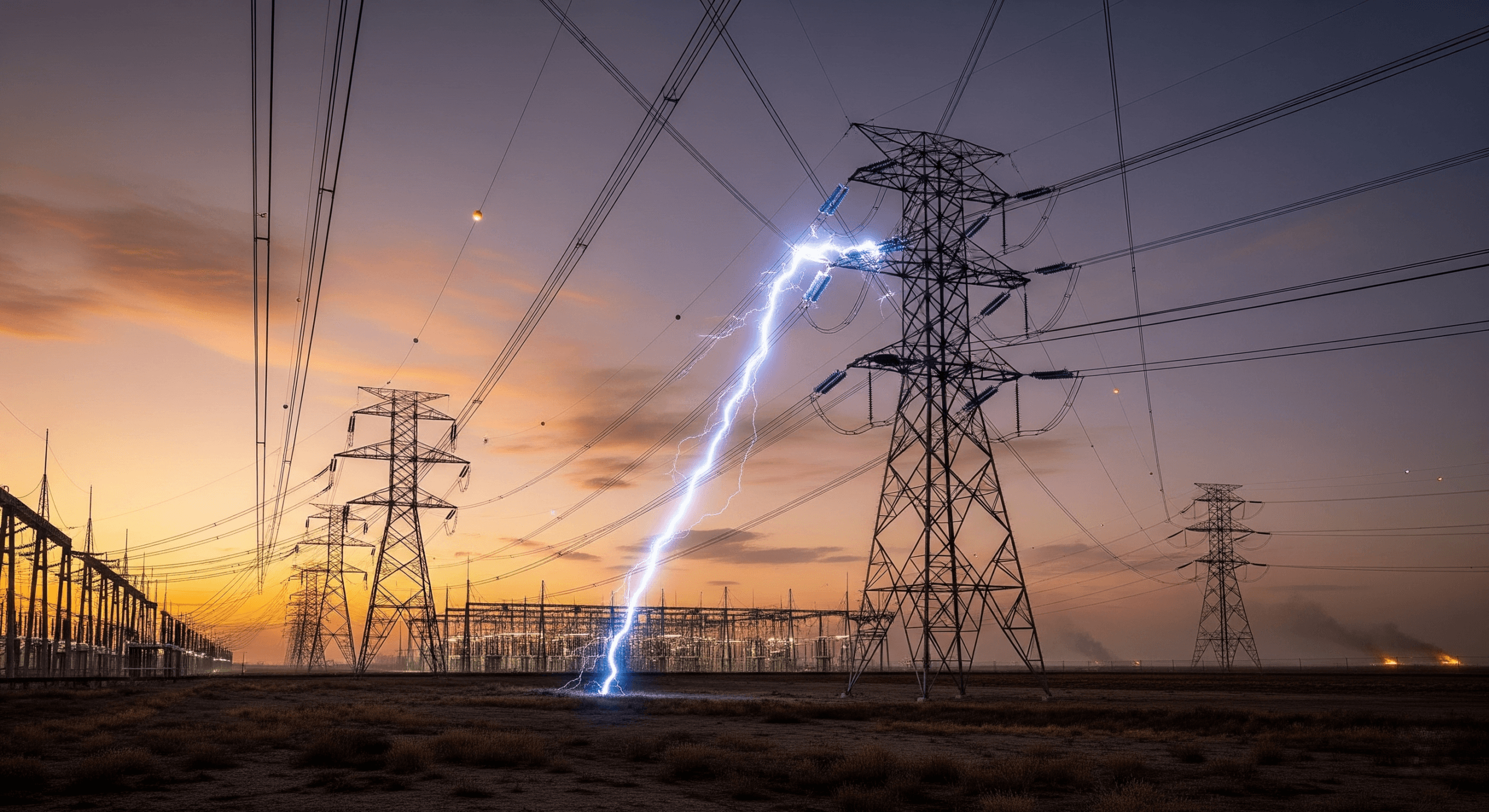
The precarious balance of the U.S. power grid has been cast into sharp relief this week, with a startling revelation that the Department of Energy (DOE) has issued more than 43 emergency orders under Section 202(c) of the Federal Power Act since May 2025. This unprecedented level of intervention compels utilities to delay the retirement of specific generating units—predominantly coal and natural gas plants—to maintain grid reliability. This flurry of federal action signals a critical tension between long-term decarbonization goals and the immediate, non-negotiable need to keep the lights on amid soaring electricity demand and the challenges of a grid in transition. The core driver behind this strain is the voracious and accelerating energy appetite of AI and data centers, which shattered growth records in 2025. However, the physical infrastructure to support this growth is lagging, with power procurement bottlenecks, permitting delays, and zoning hurdles slowing the construction of new data centers and the generation required to power them.
This reliability crunch is forcing a pragmatic, technology-agnostic response from policymakers and industry leaders. While wind and solar achieved a record 17% of U.S. electricity generation in 2025, the operational reality highlighted by the DOE’s orders is that firm, dispatchable capacity remains essential. In response, we are seeing significant investment in two key areas: advanced, firm, clean power and grid modernization. On the first front, Texas has notably opened a $350 million grant program to spur the development of advanced nuclear reactors and their supply chains, a clear move to secure long-term, carbon-free baseload power. This state-level initiative signals a growing recognition that intermittent renewables alone cannot satisfy the demands of a modern, digitized economy.
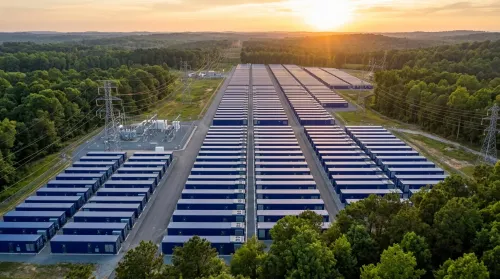
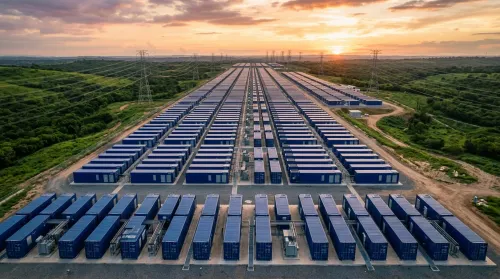
Simultaneously, efforts to strengthen and expand the grid itself are accelerating. The Southwest Power Pool’s successful expansion of its service territory into the Western Interconnection is a landmark achievement, enhancing reliability by enabling power sharing across a much broader geographic area. At the load level, technologies like Battery Energy Storage Systems (BESS) are being deployed at an unprecedented scale. Projects like the nation’s largest urban battery near San Francisco and Georgia Power’s new 1 GWh BESS are critical for absorbing surplus renewable generation and dispatching it during periods of high demand or low renewable output. These developments, viewed alongside the DOE’s emergency orders, paint a clear picture: the energy transition is entering a new phase where ensuring grid reliability is the paramount concern, driving massive investment in firm generation, energy storage, and transmission infrastructure. For further information on grid operations, visit the websites of the U.S. Energy Information Administration (EIA) and the Federal Energy Regulatory Commission (FERC).
Analyze your next project with the industry’s leading technoeconomic software. Get started with CogenS today.
This Week’s Top 5 Energy News Items
- DOE’s Section 202(c) Emergency Orders Since May 2025: 43 and Counting
- Data centers shattered records in 2025. So why is construction slowing down?
- Texas opens $350M advanced nuclear grant program
- Southwest Power Pool Announces Expansion of Service Territory
- Nation’s largest urban battery to take center stage near San Francisco