Introduction: The New Frontier of Industrial Energy - Decarbonization Meets Resilience
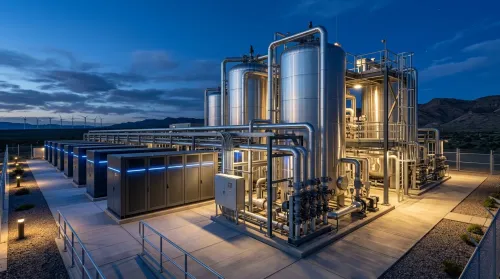
DECARBONIZATION
Achieving net-zero emissions with firm, carbon-free energy.
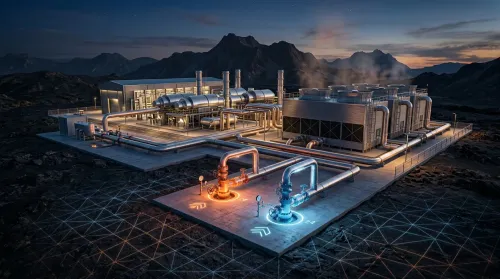
RESILIENCE
Ensuring stable power and heat, independent of grid instability.
The industrial sector stands at a critical juncture, facing the dual mandate of aggressive decarbonization and the urgent need for enhanced energy resilience. Traditional reliance on grid electricity and fossil-fuel-fired boilers is becoming increasingly untenable due to volatile energy prices, grid instability from extreme weather events, and mounting pressure from regulators and stakeholders to reduce carbon footprints. This paradigm shift demands a new class of energy solution—one that can provide constant, reliable, carbon-free power and high-quality process heat directly at the point of use. For industries like chemical manufacturing, pulp and paper, and data centers, where energy is not just a utility but a primary feedstock and operational backbone, the stakes are exceptionally high. The challenge is to find a technology that can simultaneously ensure operational continuity, provide cost certainty over decades, and serve as a cornerstone of a credible net-zero strategy. This is the new frontier where advanced energy technologies must prove their worth not just on technical merit, but on solid, bankable economics.
What Are Microreactors and Why Are They a Game-Changer for Cogen?
Microreactors represent a disruptive evolution in nuclear technology, fundamentally different from their gigawatt-scale predecessors. Formally defined as reactors producing up to 20 MWe of electricity, their defining characteristics are small physical size, factory-fabrication, and passive safety systems that rely on natural physical phenomena (like convection and gravity) to cool the reactor, precluding the need for external power or operator intervention in off-normal events. This makes them exceptionally safe and suitable for deployment closer to industrial sites. For cogeneration (cogen), or combined heat and power (CHP), they are a game-changer because unlike intermittent renewables, they operate with capacity factors exceeding 95% and, critically, produce high-temperature heat (typically 500-800°C). This high-quality thermal energy is precisely what many industrial processes require for steam generation, chemical synthesis, and other applications—a need that wind and solar cannot directly meet. By providing a constant, behind-the-meter source of both electricity and process heat from a single, carbon-free source with a footprint of just a few acres, microreactors offer a uniquely integrated solution to the industrial energy trilemma: sustainability, reliability, and cost-effectiveness.
Defining the Technoeconomic Challenge: The Need for a Robust Microreactor Cogen Feasibility Model
PROJECT INPUTS
OPEX
Performance
Market Prices
Regulatory Costs
FEASIBILITY MODEL
Risk Assessment
Sensitivity Analysis
FINANCIAL OUTPUTS
NPV / IRR
Payback Period
Project ROI
While the technical promise of microreactors is compelling, their transition from concept to commercial reality hinges on overcoming a significant technoeconomic challenge. As a nascent technology, they face high first-of-a-kind (FOAK) costs, regulatory and licensing uncertainties, and a lack of established supply chains. For an industrial facility operator or investor, the central question is whether the high upfront capital investment can be justified by the long-term operational savings, revenue generation, and risk mitigation. Answering this requires more than a simple back-of-the-envelope calculation. A robust, dynamic, and transparent technoeconomic feasibility model is essential. This model must be a comprehensive tool that integrates engineering performance data, detailed cost breakdowns (both capital and operational), and a sophisticated analysis of the full value stack, including avoided costs of grid power and fossil fuels. It needs to calculate key financial metrics under various scenarios and rigorously test the project's viability against market and regulatory risks. Such a model serves as the critical decision-making instrument, transforming a promising technology into a financeable project with a clear, defensible business case for corporate boards and investors.
Section 1: Core Technology and Performance Parameters for the Feasibility Model
The foundation of any credible technoeconomic model is a precise definition of the technology's performance envelope. These parameters are the engineering inputs that drive every subsequent financial calculation. For a microreactor cogen facility, the critical inputs start with the nominal electrical (MWe) and thermal (MWth) output, which must be matched to the industrial host's load profile. Equally important is the quality of the thermal output—specifically, the temperature and pressure of the steam or heat transfer fluid, as this determines its utility for specific industrial processes. The capacity factor, projected to be over 95%, is a key advantage over variable renewables and must be accurately modeled. The fuel cycle length (e.g., 5, 10, or 20 years between refuelings) profoundly impacts operational expenditures and plant availability. Furthermore, the model must account for operational flexibility, such as ramp rates and load-following capabilities, which determine how well the reactor can adapt to the host facility's variable energy demands. Ancillary parameters like the physical footprint (acres), water consumption requirements, and construction duration are also vital inputs that influence site selection and overall project costs. Each of these parameters must be sourced from vendor specifications and benchmarked against independent assessments, such as those from national labs. (Source: energy.gov)
Section 2: Deconstructing Capital Expenditures (CAPEX): Beyond the Reactor Price Tag
Total CAPEX Breakdown
Key Cost Components:
- NSSS: Reactor, controls, primary loop.
- BOP: Turbine, generators, cooling, buildings.
- Soft Costs: Licensing, site prep, engineering.
A common pitfall in preliminary assessments is focusing solely on the vendor's quoted price for the Nuclear Steam Supply System (NSSS). A comprehensive CAPEX model must deconstruct the total installed cost, which is substantially broader. The total overnight cost can be segmented into three main categories. First is the NSSS itself—the reactor core, control systems, and primary heat transfer loop. Second, and often comparable in cost, is the Balance of Plant (BOP), which includes everything else required to generate usable energy: the turbine generator, heat exchangers for process steam, cooling systems, switchyards for grid connection, and all civil works and buildings. The third category is "soft costs," a significant portion comprising project management, engineering, procurement, and construction (EPC) fees, as well as the multi-year, multi-million-dollar cost of regulatory licensing and permitting. Furthermore, the model must differentiate between first-of-a-kind (FOAK) and nth-of-a-kind (NOAK) projects. FOAK costs are inflated by design finalization and supply chain development, while NOAK costs are expected to decrease significantly due to manufacturing efficiencies and learning-by-doing, a critical variable for sensitivity analysis. The initial fuel load, a substantial one-time expense, must also be capitalized.
Section 3: Operating Expenditures (OPEX): The Long-Term Financial Commitment
Annual OPEX Components
Fixed OPEX
Staffing, Security, Licensing Fees, Insurance, Scheduled Maintenance.
Variable OPEX
Consumables, Unscheduled Maintenance, Waste Management Fees.
Periodic Major Expenses
Refueling Costs (every 5-20 years), Decommissioning Fund Contributions (annual accrual).
Beyond the initial capital outlay, the long-term financial viability of a microreactor cogen project is dictated by its operating expenditures. A robust OPEX model categorizes these costs into fixed, variable, and periodic components. Fixed OPEX constitutes the largest share and includes annual costs that are incurred regardless of energy output. A key driver here is staffing; while microreactors are designed for high levels of automation, they will still require a specialized team for operations, maintenance, and security, albeit smaller than for large reactors. Other fixed costs include regulatory fees, insurance premiums, and property taxes. Variable OPEX is smaller and tied to plant operation, covering consumables and minor component replacements. The most significant periodic costs are for refueling, which involves manufacturing and transporting new fuel and removing the spent fuel at intervals of 5 to 20 years. Finally, the model must include an annual accrual for the decommissioning fund, a regulatory requirement to ensure sufficient funds are available at the end of the plant's 40-60 year life to safely dismantle it and remediate the site. Accurately forecasting these multi-decade costs is essential for calculating the true levelized cost of energy.
Section 4: Quantifying the Value Stack: Revenue Streams and Avoided Costs
Microreactor Value Stack
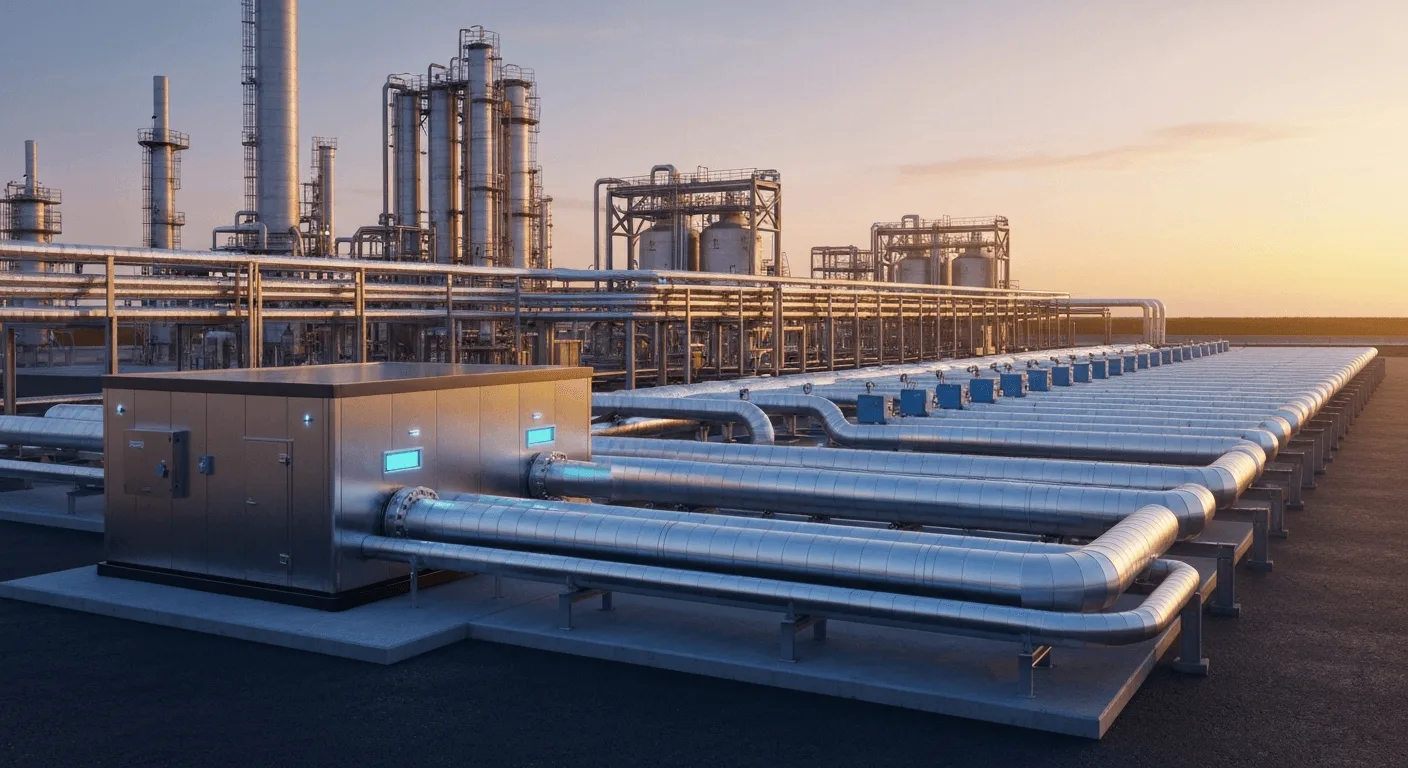
The economic justification for a microreactor is not solely based on selling energy; it's heavily weighted on the value of costs it displaces and the new revenue it enables. This "value stack" must be meticulously quantified in the feasibility model. The most significant and predictable value stream is avoided costs. For an industrial host, this means eliminating the purchase of two separate commodities: electricity from the local utility (often at high industrial tariffs that include demand charges) and natural gas or other fossil fuels for process heat. The model must use long-term forecasts for these commodity prices to calculate savings. A second, crucial layer of value is resilience. The model should attempt to quantify the cost of downtime for the industrial facility due to grid outages, a figure that can run into millions of dollars per day for a chemical plant or data center. The microreactor effectively acts as an insurance policy against these losses. Additional revenue streams can include the sale of excess electricity to the grid, providing ancillary services like frequency regulation, and monetizing carbon credits or leveraging tax incentives like the Inflation Reduction Act's credits for clean energy production. (Source: law.cornell.edu)
Section 5: Key Financial Metrics: Calculating LCOE, LCOH, and Project ROI
LCOE
Levelized Cost of Electricity
($ / MWh)
LCOH
Levelized Cost of Heat
($ / MMBtu)
ROI / NPV / IRR
Project Return Metrics
(%, $, %)
With all cost and revenue data compiled, the feasibility model must translate them into standardized financial metrics to facilitate a clear investment decision. For a cogen facility, relying solely on the Levelized Cost of Electricity (LCOE) is insufficient and misleading. The model must calculate both LCOE ($/MWh) and a Levelized Cost of Heat (LCOH) ($/MMBtu). This requires an accepted methodology for allocating total costs between the two energy products, such as the energy content method or the exergy method. These levelized cost figures provide a crucial benchmark against the facility's current, displaced costs of grid power and boiler fuel. However, levelized costs do not capture the full project value. To assess overall profitability, the model must perform a discounted cash flow (DCF) analysis over the project's entire lifetime. From the DCF, three critical metrics are derived: Net Present Value (NPV), which measures the total project value in today's dollars; the Internal Rate of Return (IRR), which is the discount rate at which the project breaks even (NPV=0); and the payback period. These metrics—NPV, IRR, and payback—provide the definitive financial verdict on whether the project meets the investor's return hurdles.
Section 6: Navigating the Non-Technical Hurdles: Regulatory, Siting, and Social License
Regulatory Path
Navigating NRC licensing (e.g., 10 CFR Part 50/52) and environmental permits.
Siting & Security
Meeting security requirements and assessing geological and demographic factors.
Social License
Gaining community and stakeholder acceptance through transparent engagement.
A technoeconomic model that ignores non-technical risk factors is incomplete. These hurdles can significantly impact project timelines and costs, and in some cases, can be deal-breakers. The feasibility study must therefore include a thorough assessment of them. First is the regulatory pathway. In the U.S., this means navigating the Nuclear Regulatory Commission (NRC) licensing process. While new frameworks like 10 CFR Part 53 are being developed for advanced reactors, the timeline and cost for a first-of-a-kind microreactor license remain a major uncertainty that must be factored into the project schedule and budget. (Source: nrc.gov). Second is siting. While microreactors have a small footprint, site selection involves complex considerations including security requirements, proximity to population centers, seismic stability, and access to cooling resources. The costs associated with site characterization and preparation must be included in the CAPEX. Finally, and perhaps most crucially, is achieving a "social license to operate." This involves early and transparent engagement with local communities, policymakers, and other stakeholders to address concerns and build trust. The risk of public opposition causing costly delays or project cancellation cannot be overstated and must be actively managed from the outset.
Section 7: Risk Assessment and Sensitivity Analysis in your Feasibility Model
Sensitivity Inputs
± 20% Construction Cost
± 30% Natural Gas Price
± 15% Capacity Factor
± 2-Year Licensing Delay
Impact on Project IRR
Quantifies which variables pose the greatest threat or opportunity to project returns.
A static, single-point estimate of a project's ROI is of limited use; the real world is dynamic and uncertain. A truly robust feasibility model must therefore incorporate comprehensive risk assessment and sensitivity analysis. This process involves identifying the key variables with the highest degree of uncertainty and quantifying their potential impact on financial outcomes like NPV and IRR. For microreactor projects, critical sensitivities include: CAPEX overruns (especially for FOAK projects), construction and licensing delays, long-term electricity and natural gas price volatility (which affects the value of avoided costs), and variations in plant performance like capacity factor. The model should allow for the creation of tornado charts, which visually rank the impact of each variable on the project's financial viability. For a more sophisticated analysis, Monte Carlo simulations can be run, using probability distributions for key inputs to generate a probabilistic forecast of project returns rather than a single deterministic number. Such analyses are vital for de-risking the project, helping developers understand the key value drivers, and providing investors with a clear picture of the potential range of outcomes. For those looking to build these complex models, specialized energy analytics platforms can provide the necessary framework; more details can be found after you sign up at https://jisenergy.com/sign-up-login/.
Case Study: Applying the Microreactor Cogen Feasibility Model to a Chemical Processing Facility
BEFORE: Status Quo
Source: Grid Power + Natural Gas Boiler
Costs: Volatile electricity & gas prices
Emissions: High CO2 Footprint
Resilience: Vulnerable to grid outages
AFTER: Microreactor Cogen
Source: 15 MWe / 40 MWth Microreactor
Costs: Stable, predictable LCOE/LCOH
Emissions: Near-zero carbon
Resilience: 99%+ Uptime, grid-independent
Consider a mid-sized chemical processing facility with a constant baseload demand of 15 MWe for electricity and a continuous need for 40 MWth of 250°C process steam. Currently, it sources power from the regional grid at an average of $80/MWh and generates steam with natural gas boilers at a cost of $6/MMBtu, facing both price volatility and carbon emissions. Applying the feasibility model, we can evaluate a 15 MWe / 40 MWth microreactor project. The model inputs include a projected NOAK overnight capital cost of $7,000/kWe, a 40-year plant life, and an annual OPEX of 2.5% of CAPEX. The "value stack" analysis calculates the avoided electricity and gas costs based on 20-year price forecasts. It also assigns a quantitative value to resilience by modeling the avoidance of two days of production loss per decade due to grid outages, a multi-million dollar saving. The model outputs a LCOE of $70/MWh and a LCOH of $5/MMBtu, both lower than the current costs. The discounted cash flow analysis shows a project IRR of 12% and a positive NPV of $50 million. The sensitivity analysis reveals the project is most sensitive to CAPEX but holds a positive NPV even with a 20% cost overrun, providing the chemical company's board with a robust, data-driven case for investment.
Conclusion: From Feasibility Model to Project Reality - The Path Forward for Microreactor Cogen
The technoeconomic feasibility model is not an end in itself, but a critical enabler—the essential bridge between technological potential and an investable, operational reality. Its purpose is to rigorously and transparently quantify the risks and rewards of adopting microreactor cogeneration, providing industrial decision-makers with the confidence needed to commit to these transformative, long-term projects. As the analysis shows, the business case is built on a complex interplay of capital costs, operational savings, resilience value, and risk mitigation. The path forward for widespread adoption requires a concerted effort on multiple fronts. Reactor vendors must successfully deliver on their cost reduction targets, moving from FOAK to NOAK pricing through standardized, factory-based production. Regulators must continue to streamline licensing pathways for these advanced designs without compromising safety. Most importantly, project developers and industrial end-users must champion these projects, using robust feasibility studies to secure financing, engage with communities, and pioneer the first wave of deployments. As these initial projects come online and validate the model's projections, they will de-risk the entire sector, paving the way for microreactors to become a cornerstone of resilient, decarbonized industrial energy systems worldwide.
Quantifying the full value stack, including avoided costs and resilience, is the most critical step in building a bankable microreactor cogen feasibility model. Learn more at https://jisenergy.com Try CogenS free at https://cogens.jisenergy.com