The BTM Megawatt Shift
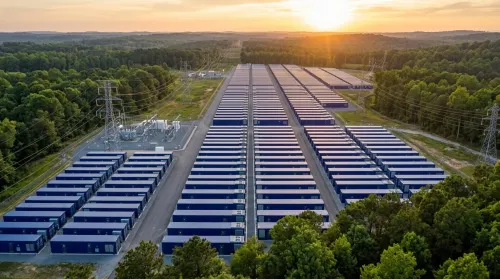
Google Wyoming Microgrid
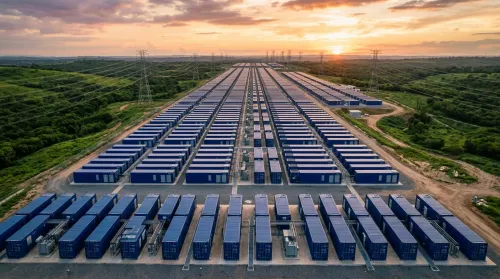
Brookfield & Bloom Financing
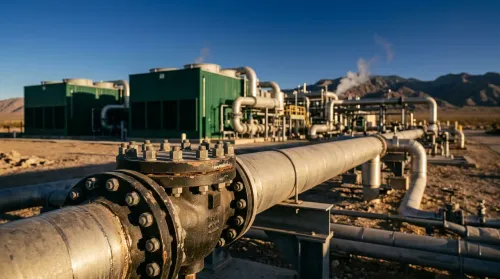
Baker Hughes BTM Target
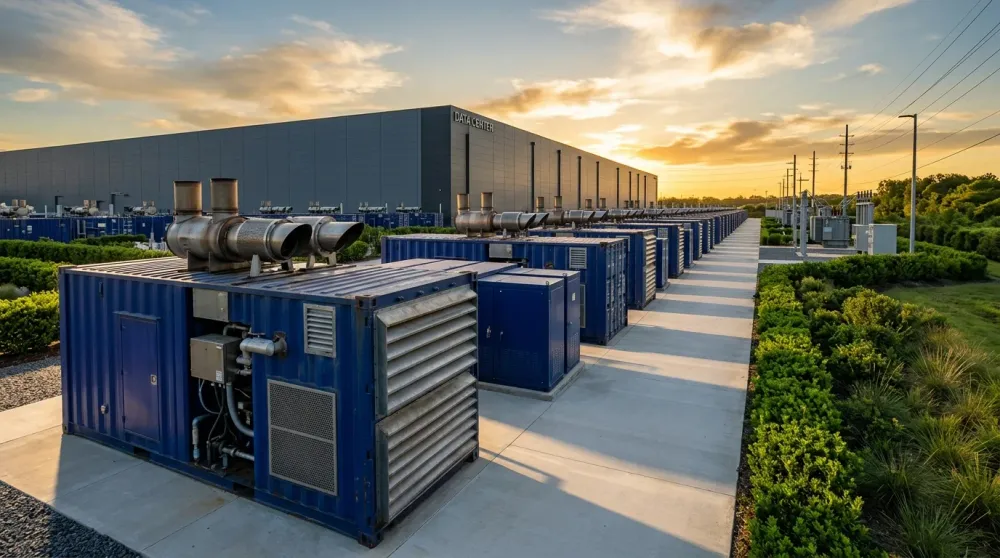
Data center developers are increasingly bypassing the traditional transmission interconnection queue in favor of gigawatt-scale behind-the-meter (BTM) microgrids. Driven by inflexible project timelines and severe regional capacity constraints, hyperscalers are financing and building private generation assets that rival the size of regional utility plants.
The sheer scale of these new onsite power systems requires entirely different engineering and procurement models. In Wyoming, Black Hills Corp. is preparing to manage a 2.1-GW microgrid to supply a planned Google data center. The generation mix relies heavily on natural gas and alternative technologies. American Electric Power (AEP) announced it expects to spend approximately $4 billion on a 702-MW Bloom Energy solid oxide fuel cell facility for Google in Wyoming. AEP also secured 190 MW of Mainspring Energy linear generators for deployment.
The shift toward baseload BTM generation is visible across multiple regional transmission organizations. In West Texas, Microsoft is powering a new facility using a co-located natural gas plant equipped with GE Vernova and Solar Turbines combustion equipment. Cummins finalized an agreement to deliver natural gas generator sets to Circe Energy for a Texas high-performance computing (HPC) microgrid, scheduling deliveries through 2030. Equipment manufacturers are scaling operations directly around this demand. Baker Hughes and Kodiak Gas Services formalized a multi-year agreement explicitly targeting 1.8 GW of BTM data center capacity by 2030. Simultaneously, capital markets are adjusting their risk profiles to fund these assets. Brookfield and Bloom Energy recently expanded their AI infrastructure financing framework from $5 billion to $25 billion.
These private assets trigger new regulatory and operational complexities. Moving generation onsite transfers the burden of air quality compliance directly to the data center operator. Environmental Protection Agency (EPA) air permitting requirements for stationary reciprocating internal combustion engines and large gas turbines often dictate continuous emissions monitoring and operating limits. Operators of major emission sources relying on diesel or natural gas prime power must secure Title V operating permits, a process that can take up to 18 months and dictate specific exhaust aftertreatment systems.
Grid operators are also responding to the operational behavior of these large loads. NERC announced that proposed reliability standards for data centers passed their final stakeholder ballot. The new rules require qualifying facilities to provide grid data, coordinate protection settings, and respond to grid operators' instructions. These steps are designed to ensure that massive BTM load shedding does not destabilize the bulk power system. Hyperscalers are now operating as de facto utility load-serving entities, inheriting all the capital intensity and compliance obligations that title demands.
This Week's Top 5 Energy News Items
- Black Hills to build 564 MW of new gas, manage 2.1 GW microgrid for Google data center in Wyoming
- AEP Plans $4 Billion Fuel Cell Power Plant for Google, Signs Up to 1.6 GW Mainspring Generator Deal
- Brookfield, Bloom Energy expand partnership to $25 billion framework for onsite data center power
- Baker Hughes gas turbines to support up to 1.8 GW of behind-the-meter data center power
- NERC Reliability Standards for Data Centers and Crypto Loads Pass Final Ballot, Advance to Board Review
For deeper technoeconomic analysis on this trend, try CogenS free.