The BTM Megawatt Migration
Some hyperscalers are bypassing the interconnection queue for on-site baseload generation.
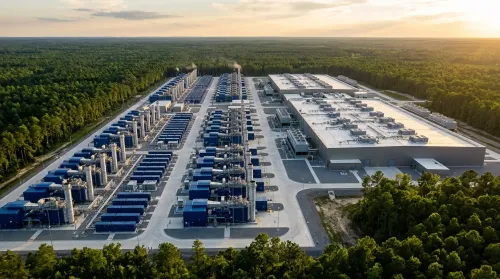
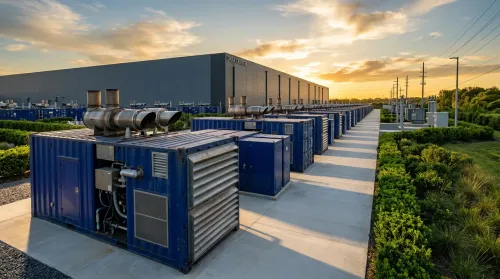
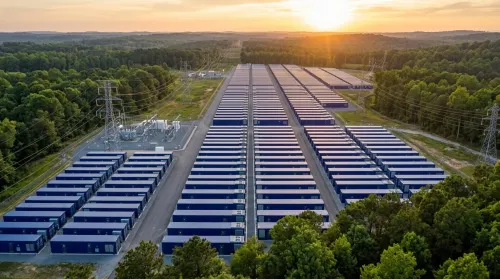
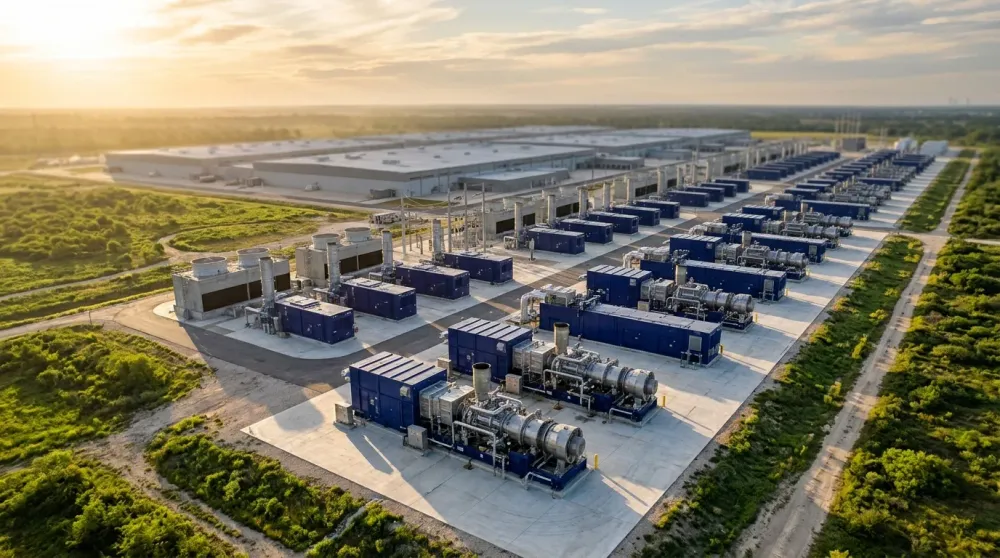
Some hyperscale data centers are bypassing the standard utility interconnection process. With load growth outpacing transmission capacity, developers are securing gigawatt-scale behind-the-meter generation to energize facilities on their own timelines.
Recent capital commitments show a structural shift in infrastructure procurement. Black Hills Corp. announced a $1.8 billion plan to build natural gas generation and manage a 2.1-GW microgrid for Google's planned data center in Cheyenne, Wyoming. Bloom Energy and Brookfield expanded their partnership, increasing funding from $5 billion to $25 billion to finance AI infrastructure projects and enhance global fuel cell deployment. Kodiak Gas Services formed a multi-year agreement with Baker Hughes for power generation solutions, aiming for 1.8 GW of capacity by 2030. In West Texas, Microsoft is co-locating a new data center with a dedicated gas plant powered primarily by large GE Vernova turbines and Solar Turbines equipment.
Some developers facing multi-year queue delays are calculating that the CAPEX of independent power plants yields a higher net present value than waiting for grid capacity. These independent installations require complex fuel supply logistics, air quality compliance, and rigorous maintenance schedules. To reduce emissions from traditional power infrastructure, operators like CPV have completed hydrogen-blending tests at an 805-MW combined-cycle plant. The scale of the demand is historic; American Electric Power reports its contracted large loads jumped 22% to 84 GW, led by a 10.4-GW data center in Ohio.
The integration of natural gas turbines, reciprocating engines, and solid oxide fuel cells requires rigorous technoeconomic analysis. Engineers must evaluate fuel costs, equipment degradation, and O&M expenses over the project lifecycle to ensure the levelized cost of energy remains competitive. As these massive behind-the-meter sites proliferate, they can shift the local utility's role for these specific hyperscale facilities from primary electricity provider to standby backup service and natural gas transporter.
This Week's Top 5 Energy News Items
- Black Hills to build 564 MW of new gas, manage 2.1 GW microgrid for Google data center in Wyoming
- Brookfield, Bloom Energy expand partnership to $25 billion framework for onsite data center power
- Baker Hughes gas turbines to support up to 1.8 GW of behind-the-meter data center power
- New co-located gas plant to power Microsoft data center in West Texas
- NRC finalizes rule to fast-track commercial licensing of advanced nuclear reactors
For deeper technoeconomic analysis on this trend, try CogenS free.