The Shift to Behind-the-Meter Data Center Power
Executing a microgrid feasibility study for a new data center previously involved sizing standby assets to manage transient loads. Now, some hyperscale developers are bypassing traditional utility interconnection queues, announcing primary behind-the-meter generation projects that rival the capacity of centralized power plants.
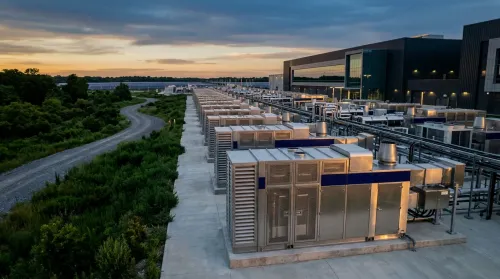
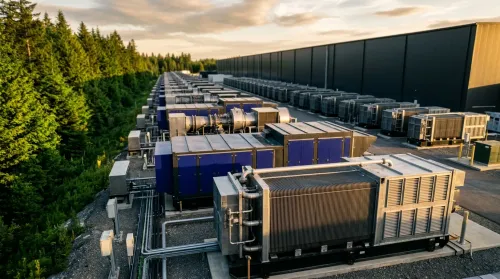
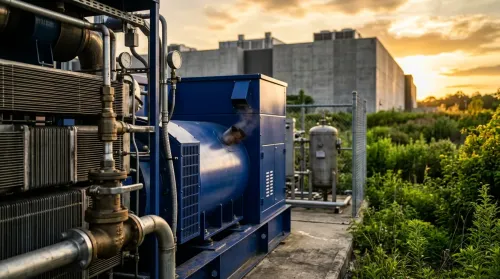
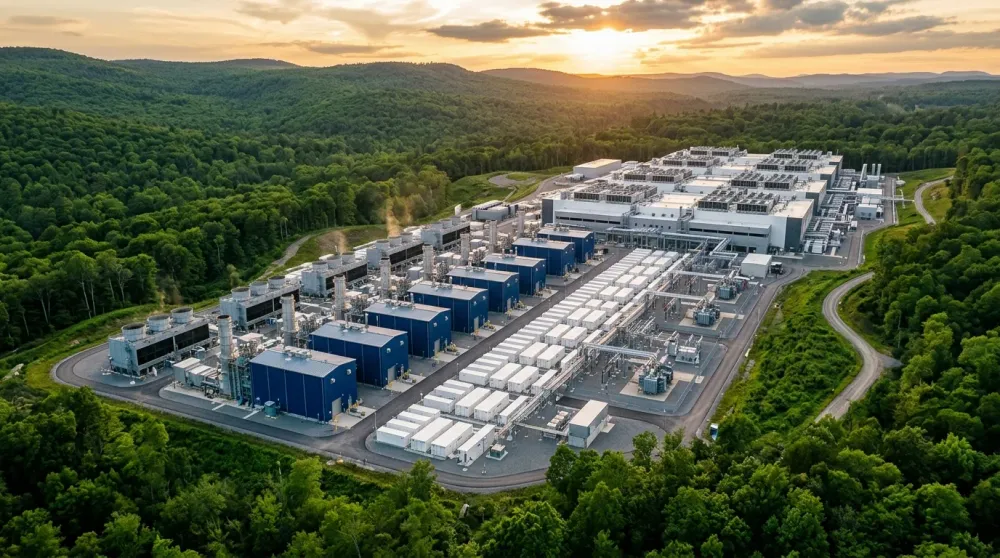
Black Hills Corp. revealed plans for $1.8 billion in natural gas generation and will manage a 2.1 GW microgrid to supply Google's planned data center in Cheyenne, Wyoming. Operating at this scale, the installation functions as a major localized power network. The thermal and electrical design requires coordination between gas turbines, reciprocating engines, and battery energy storage systems (BESS) to ensure continuous uptime while minimizing reliance on bulk grid capacity.
The Changing Scope of a Microgrid Feasibility Study
The financial framework for on-site power is expanding rapidly. Bloom Energy and Brookfield signed a $25 billion agreement to deploy fuel cells for artificial intelligence infrastructure globally. Simultaneously, Baker Hughes and Kodiak Gas Services executed an agreement to deliver 1.8 GW of behind-the-meter power capacity by 2030. These investments move capital expenditures off utility rate bases and onto private balance sheets.
Operating multi-gigawatt internal power networks requires stringent environmental compliance. Permitting continuous natural gas combustion and diesel backup generators introduces complex air quality regulations. To track baseline emissions requirements, engineers consult resources like the EPA Clean Air Act guidelines, which govern facility-level permitting. Additionally, data from the EIA Annual Electric Generator Report highlights how behind-the-meter thermal capacities are accelerating nationwide.
A gigawatt-scale microgrid feasibility study now models primary baseload generation, requiring precise fuel consumption curves, BESS degradation parameters, and thermal constraints. Accurate dispatch modeling is critical to project viability before groundbreaking.
When engineering gigawatt-scale behind-the-meter generation, power developers use specialized microgrid design software to accurately project capital expenditures, operating costs, and emissions profiles across gas turbines, fuel cells, and battery assets. For a comprehensive walkthrough on modeling these complex systems, engineers rely on the Microgrid DER Optimization & Resilience Guide.
This Week's Top 5 Energy News Items
- Black Hills to build 564 MW of new gas, manage 2.1 GW microgrid for Google data center in Wyoming
- Brookfield, Bloom Energy expand partnership to $25 billion framework for onsite data center power
- Baker Hughes gas turbines to support up to 1.8 GW of behind-the-meter data center power
- OPG says Darlington SMR won’t meet 2030 start date or cost target
- Voters overwhelmingly rejected data centers in the midterms – here’s where developers will have a tough time
For deeper technoeconomic analysis on this trend, try CogenS free.