Grid Policy Shift: FERC Mandates Review of Large-Load Tariffs
The Challenge: Who Pays?
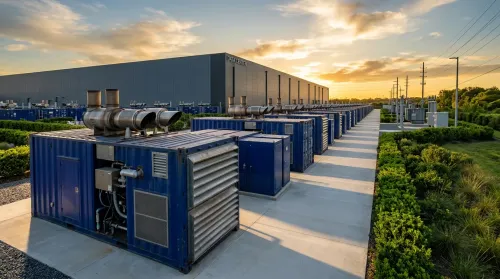
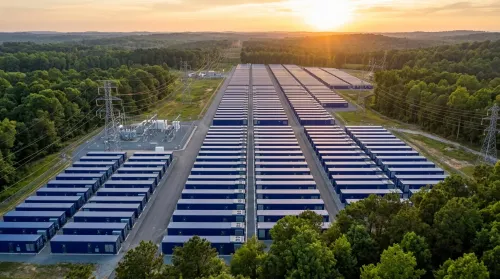
Massive new loads from data centers and manufacturing are straining the grid. This triggers the need for billions in transmission and substation upgrades, sparking intense debate over whether the new user or all ratepayers should bear the cost.
The Order: Defend or Revise
FERC has issued a show-cause order under the Federal Power Act, compelling grid operators to prove their current cost allocation tariffs are 'just and reasonable' for large loads, or else propose fundamental reforms.
Impacts All 6 US RTOs/ISOs
The Federal Energy Regulatory Commission (FERC) has taken a decisive step to address the grid-straining growth of large industrial loads, particularly data centers. In a historic move, the commission issued unanimous, tailored show-cause orders under Section 206 of the Federal Power Act to all six U.S. regional grid operators. The mandate is clear: either justify existing tariff rules for large load interconnections or propose comprehensive reforms. This action elevates the contentious debate over cost allocation for grid upgrades from disparate state-level dockets to a coordinated, federally supervised process. The move comes as local conflicts intensify, with Maryland lawmakers and North Carolina ratepayers challenging plans that would socialize the costs of transmission projects built primarily to serve new data centers, arguing such projects do not provide commensurate benefits to the general public.
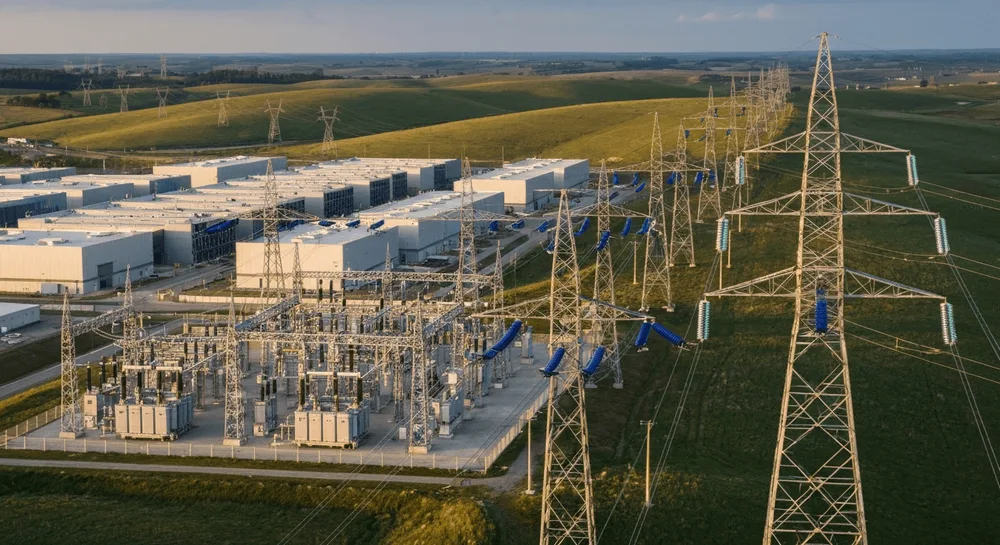
The core of the issue is who pays for the new substations, transmission lines, and system reinforcements required to power the gigawatt-scale campuses now populating interconnection queues. Historically, costs for many network upgrades were often spread across all customers in a utility's service area. However, the sheer scale and concentrated nature of data center demand are forcing a re-evaluation of this model. FERC’s order signals that the "beneficiary pays" principle may see broader and more stringent application, a fundamental shift in grid infrastructure financing. According to the U.S. Energy Information Administration (EIA), maintaining grid reliability while integrating new, large loads is a primary function of Independent System Operators (ISOs). This order puts the financial methodology for achieving that balance under a microscope.
For project developers—both on the data center side and the power generation side—this introduces a new layer of regulatory risk and economic uncertainty. The financial models for data centers and other large industrial facilities are highly sensitive to electricity costs and interconnection timelines. New tariff structures could significantly alter project viability by assigning hundreds of millions of dollars in network upgrade costs directly to the entity causing the need for those upgrades. Grid operators like PJM have already attempted to streamline their queues with temporary "fast track" processes for shovel-ready generation projects, but FERC’s comprehensive order targeting load interconnection suggests these measures have not fully addressed the underlying allocation problem. RTOs and ISOs now face the complex task of designing new frameworks that are equitable, efficient, and capable of managing the unprecedented wave of electrification without overburdening existing ratepayers or stifling economic development. The outcome of these proceedings will reshape the locational economics of energy-intensive industries for the next decade.
This Week's Top 5 Energy News Items
- FERC takes historic action, orders US grid operators to ‘defend or revise’ large load interconnection tariffs
- Trump administration buys out 4 more offshore wind leases for $765M
- Largest wind farm in the United States slated to begin commercial operations
- California solar surged ahead of gas in the first 5 months of 2026
- ASHRAE, NEMA and PNNL Release AI Data Center Energy Performance Framework
For deeper technoeconomic analysis on this trend, try CogenS free.