The Grid, Reimagined: From Centralized Power to Aggregated Capacity
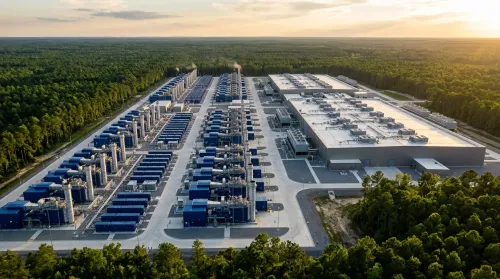
Traditional Grid
Central power plants generate electricity, which flows one-way to consumers.
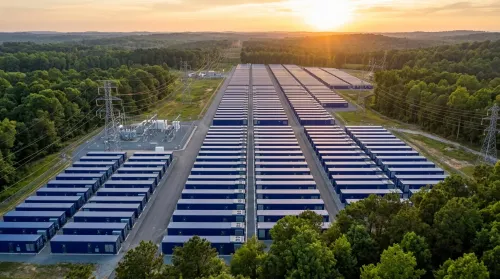
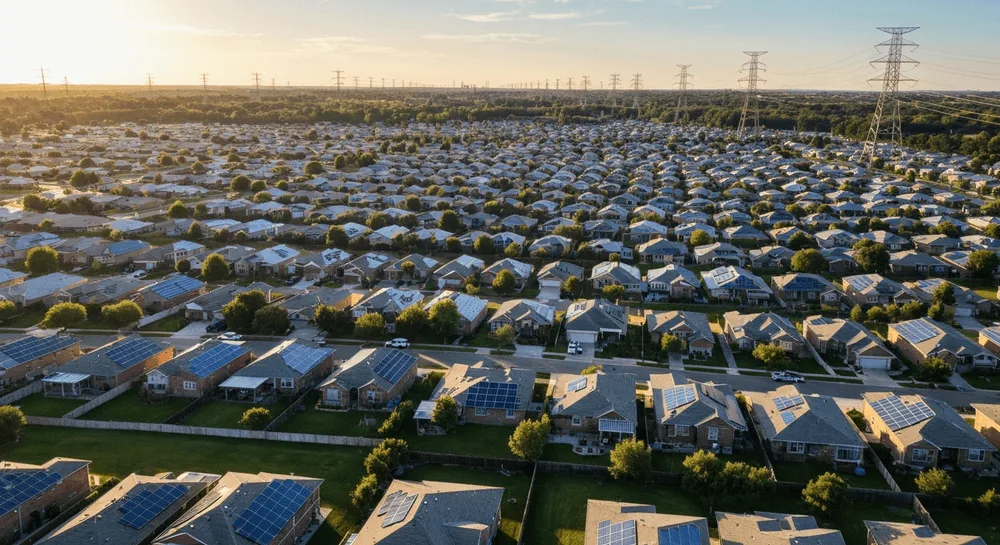
VPP Model
Aggregated home solar, batteries, and smart devices act as a single, dispatchable power plant.
This week, the energy industry saw a landmark development in distributed energy with the announcement of a partnership between Tesla, Sunrun, and Renew Home. The collaboration aims to create what could be the nation's largest fleet of virtual power plants (VPPs), potentially unlocking over 16 GW of dispatchable capacity from residential assets. This move signals a significant scaling of VPPs from niche pilot programs to a mainstream grid resource, offering a market-based solution to the mounting pressures of load growth driven by data centers, industrial electrification, and transportation.
The timing is critical. A new report from NERC highlights shrinking deployable reserves as forced outage rates for coal and natural gas generation continue to rise. Concurrently, an ICF analysis warns that major grid operators like PJM and ERCOT have no spare capacity for demand growth beyond 2027. This supply-side crunch is exacerbated by interconnection queue logjams, a problem so severe that FERC has taken the historic step of ordering all six of its jurisdictional grid operators to defend or reform their large-load connection tariffs. Into this challenging environment, VPPs offer an elegant alternative: unlocking vast capacity from assets already built and interconnected at the grid edge.
The technoeconomic model for these VPPs is built on aggregation. By networking thousands of residential solar arrays, battery systems like the Tesla Powerwall, and smart thermostats, the VPP operator can orchestrate these devices to provide grid services, such as frequency regulation, peak demand reduction, and ancillary services. This creates a non-wires alternative to building new gas peaker plants, deferring costly transmission and distribution upgrades. As defined by the U.S. Department of Energy, these systems represent a pivotal tool for enhancing grid reliability and flexibility. Homeowners, in turn, gain a new revenue stream for their energy assets, improving the payback period for solar and storage investments.
While this 16 GW announcement represents a major step forward, successful integration depends on resolving persistent market and operational challenges. As research from NREL shows, streamlining the interconnection of distributed energy resources (DERs) remains a key factor for growth. Furthermore, accurate forecasting of aggregated DER performance and reforming market settlement systems—which often operate on monthly cycles for a grid that functions in seconds—are necessary to fully monetize the flexibility VPPs provide. Despite these hurdles, this partnership moves the industry from discussing VPP potential to deploying it at a scale that can meaningfully impact grid operations.
This Week's Top 5 Energy News Items
- Tesla, Sunrun, Renew Home team up on massive 16GW virtual power plant
- FERC takes historic action, orders US grid operators to ‘defend or revise’ large load interconnection tariffs
- Deployable reserves shrinking as coal, gas forced outage rates rise: NERC
- DOE commits $17.5 billion to finance long-lead equipment for U.S. fleet of Westinghouse AP1000 reactors
- 445 GW — mainly solar, storage — to come online by 2030 as demand growth surges: ICF
For deeper technoeconomic analysis on this trend, try CogenS free.