Nuclear Microreactor Commercialization
The Path to 2028
The commercialization of advanced nuclear microreactors reached a pivotal milestone this week. The U.S. Army initiated the Janus Program, mobilizing up to $2.2 billion to deploy more than 20 commercial microreactors across five military installations. This initiative accelerates the transition of microreactor technology from federal research and development directly into sustained commercial operation by 2028. Five advanced nuclear developers will build, own, and operate these systems, establishing a repeatable procurement framework for highly resilient, off-grid generation.
Technological validation is keeping pace with this procurement momentum. Westinghouse completed zero-power criticality testing for its eVinci microreactor at the Nevada National Security Site. The test confirms fundamental core design parameters and sets a technical baseline for factory-assembled, transportable reactors. Concurrently, the Department of Energy’s National Reactor Innovation Center (NRIC) added 13 new projects to its Nuclear Energy Launch Pad, signaling a robust pipeline of advanced reactor technologies aiming for near-term demonstration.
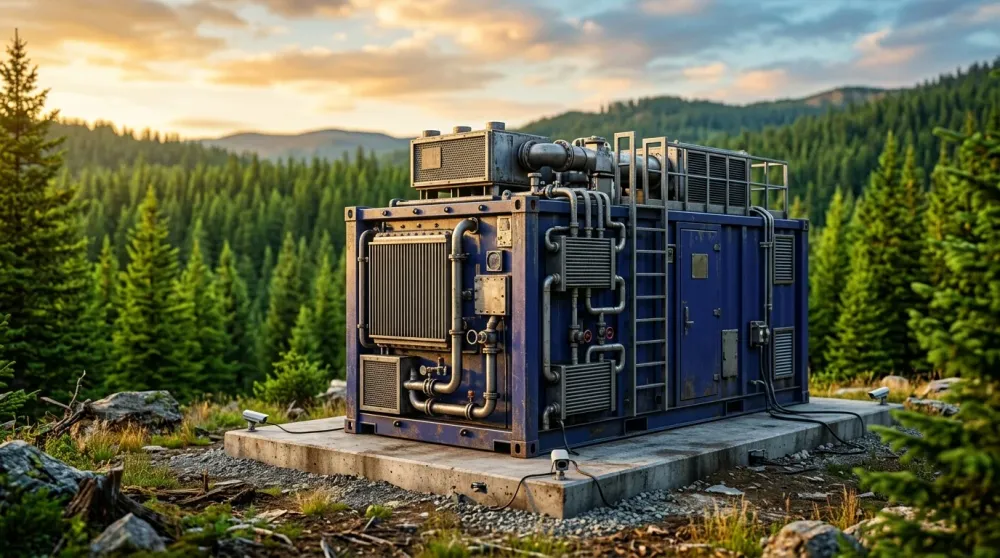
For the broader energy sector, the deployment of 1-to-5 megawatt transportable nuclear assets introduces a disruptive variable to distributed generation planning. Heavy industrial facilities, remote mining operations, and large-scale data centers face mounting interconnection queue delays and extensive transmission upgrade costs. Factory-built microreactors provide a zero-carbon, high-capacity-factor baseload alternative that bypasses traditional grid constraints. Federal backing effectively de-risks the early manufacturing supply chain, mapping a pathway to lower unit costs for civilian applications in the 2030s, aligning with the growing U.S. nuclear generation outlook.
Grid operators and energy engineering firms must now factor micro-nuclear options into long-term resilient power models. The capital expenditure of these first-of-a-kind units remains high, but the levelized cost of electricity (LCOE) over a 20-year operational life presents a compelling technoeconomic case for critical loads.
This Week's Top 5 Energy News Items
- U.S. Army Mobilizes $2.2B Janus Program to Deploy More Than 20 Commercial Microreactors
- Westinghouse eVinci Reaches Criticality Milestone at Nevada Test Site
- NRIC Adds 13 Projects to Nuclear Energy Launch Pad
- Federal government to turn Kentucky uranium plant into AI data center complex
- US Army selects 5 companies to deploy microreactors at military installations
For deeper technoeconomic analysis on this trend, try CogenS free.